Long Tem Memory Best Describes Recollection
Theoretically the capacity of long-term memory could be unlimited the main constraint on recall being accessibility rather than availability. Again for Fernández whether a memory will be beneficial or costly will depend on the subjects goals.

Pin On Truth
This does not happen due to the loss of the memory but because there are no cues available to retrieve it.

. Also known as primary or active memory short-term memory is briefabout 30 secondsand limited to between 5 and 9 items. Retrieval cues are of two types. A long word for example consists of many letters which in turn form numerous phonemes.
Recognition memory was long thought to involve only the structures of the medial temporal lobe. The gradual recollection of that long-ago romance brought back both happy and painful feelings. It can also be a sign of some serious problems such as dementia.
They cannot form short-term memory. Because memories are reconstructed they are susceptible to being manipulated with false information. Its simply remembering drawing information out of the memory banks and.
This type of memory retrieval involves being able to access the information without being cued. Here are some signs and symptoms of long-term memory loss. They can form long-term memory but the memory is context-specific ie context plays a significant role in reinstating their memory.
They cannot form long-term memory. Answering a question on a fill-in-the-blank test is a good example of recall. For the purpose of a discussion on memory loss long term memory is equivalent to more distant memories usually measured in months-to-years-to-decades.
It involves conscious thought and is declarative. Forgetting early life events. In this case memory has been previously encoded in long-term memory but the person is not able to retrieve it.
Retrieval failure refers to the failure to recall information from long-term memory. Long-term memory refers to forms of long-term memory that can ordinarily be consciously recollected and declared or described to other people such as memory for facts ideas and events. Most peoples earliest memories often go back to the age of four or five if they were significant in some way.
These long-term memories unlike short-term memories are relatively permanent. Long-term memory loss refers to the difficulty in recalling the information. Long-term memory LTM the final stage of the multi-store memory model proposed by the Atkinson-Shiffrin providing the lasting retention of information and skills.
A retrieval cue is a clue or prompt that is used to trigger the retrieval of long-term memory. A memory gap is the complete loss of a memory. Episodic memories usually include details of an event the context in which the event took place and emotions associated with the event.
Observer perspectives may be adaptively beneficial in relation to the short-term goal of achieving affective relief but problematic with regard to the long-term goal of maintaining a healthy self-concept 2015. Memory retrieval involves pulling information from the subconscious long-term memory banks and making it immediately accessible to the conscious mind. Memory errors occur when memories are recalled incorrectly.
Episodic memory is part of long-term explicit memory and comprises a persons unique recollection of experiences events and situations. Excessive irritability and mood changes. Recall describes retrieving a memory without any additional clues.
Instead of only being able to remember a 7-letter word the mind recodes it chunking the individual items of data together. Short-term memory is the capacity to store a small amount of information in the mind for a short period of time. That knowledge then becomes cemented in long-term memory.
Examples of long term memory include recollection of an important day in the distant past early birthday graduation wedding etc and work skills you learned in your first job out of school. More recent neuroimaging research has begun to demonstrate that the parietal lobe plays an important though often subtle 81 role in recognition memory as well. Semantic memory is the recollection of nuggets of information we have gathered from the time we are young.
Before a memory can move to long-term memory it is first a short-term memory. They are reconstructions of reality filtered through peoples minds not perfect snapshots of events. The other main form of memory retrieval is recall.
This process allows us to boost the limits of recollection to a list of 7 separate words. 2 the power or process of recalling what has been previously learned or experienced. Question 2 1 pts Which statement best describes the memory abilities of human infants younger than 1 year old.
Mixing up names of persons and places. Best laptops for coding. Long-term memory is a function of your brain where you remember something longer than a day or two and often for many decades.

9 1 Memories As Types And Stages Introduction To Psychology 1st Canadian Edition

Recollection Renee Callahan Renee Recollections Callahan

Storage Introduction To Psychology

Pin On Tattoos

The Real Simple Summer Reading List Books Book Worth Reading Summer Books

Clothes Matching Game Worksheet Education Com Preschool Memories Creative Curriculum Preschool

Declarative Memory Simply Psychology

Pin On Read Later
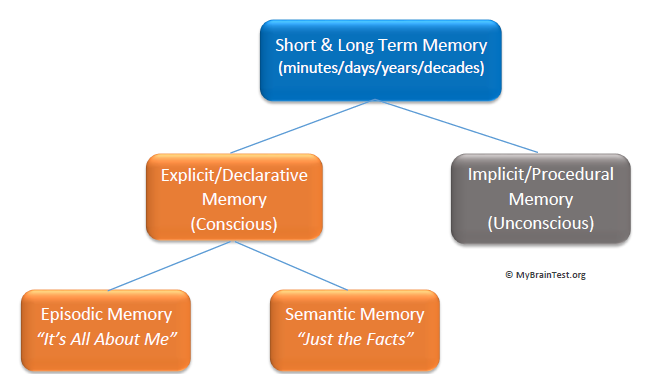
Short Term Memory And Long Term Memory Memoryhealthcheck

The Three Systems Of Memory Youtube

Memory And Retention In Learning Wikipedia

Storage Introduction To Psychology

Tutor2u Episodic Procedural And Semantic Memory
Entorhinal Cortex Brain Anatomy Limbic System Human Anatomy And Physiology

Pin On Meine Ideen

Maison Margiela Replica Lazy Sunday Morning Eau De Toilette Scents Perfume Luxury Perfume
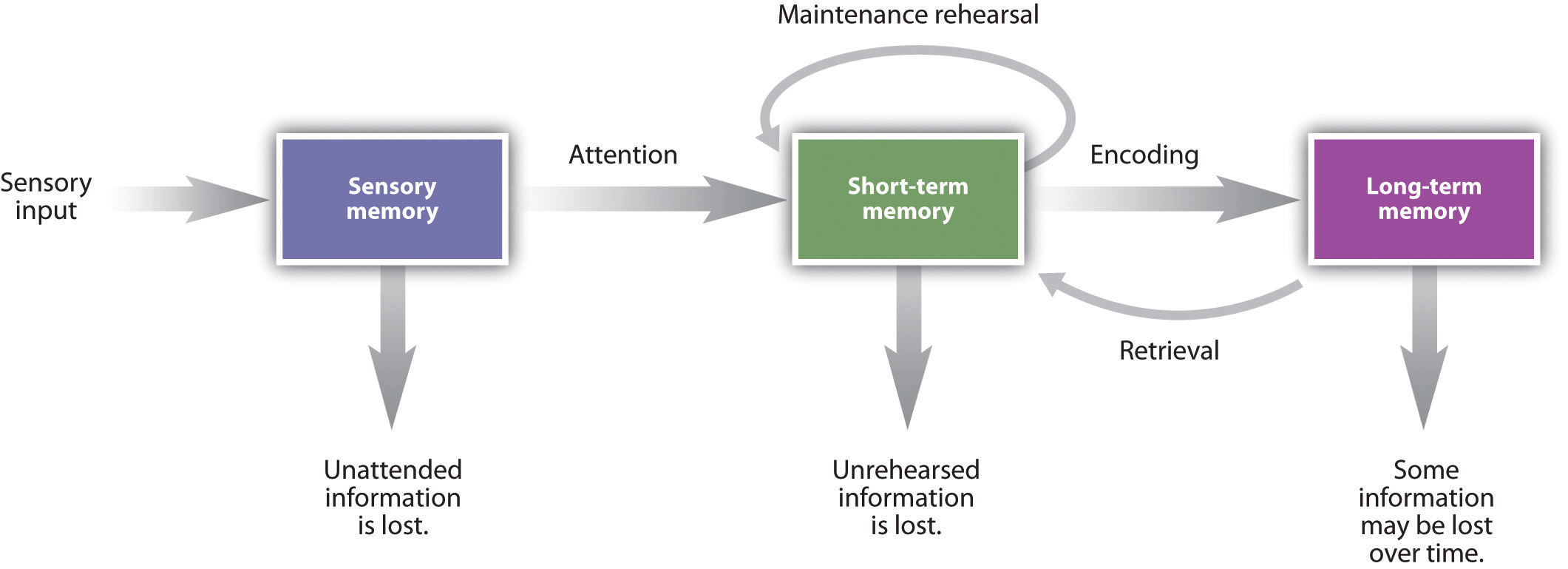
9 1 Memories As Types And Stages Introduction To Psychology 1st Canadian Edition

10 Best Podcasts For Writing And Creativity Wild Words Creative Podcast Podcasts Inspirational Movies

Pin On Forever Living Supplements


Comments
Post a Comment